

It’s hardly blasphemy to declare that though it’s one of the most famous horror novels ever written, there’s not that much that’s genuinely terrifying about The Haunting of Hill House.
Sure, there are occasional moments of supernatural terror, but they are vague and fleeting; though they make for sleepless nights for our characters, by the morning whatever was up to no good has abated and everything is okay once more. Even if only temporarily.
But what the book lacks in flashy jump scares it makes up for in spades with its chilling atmosphere of pervasive dread that something awful could be about to happen at any moment…
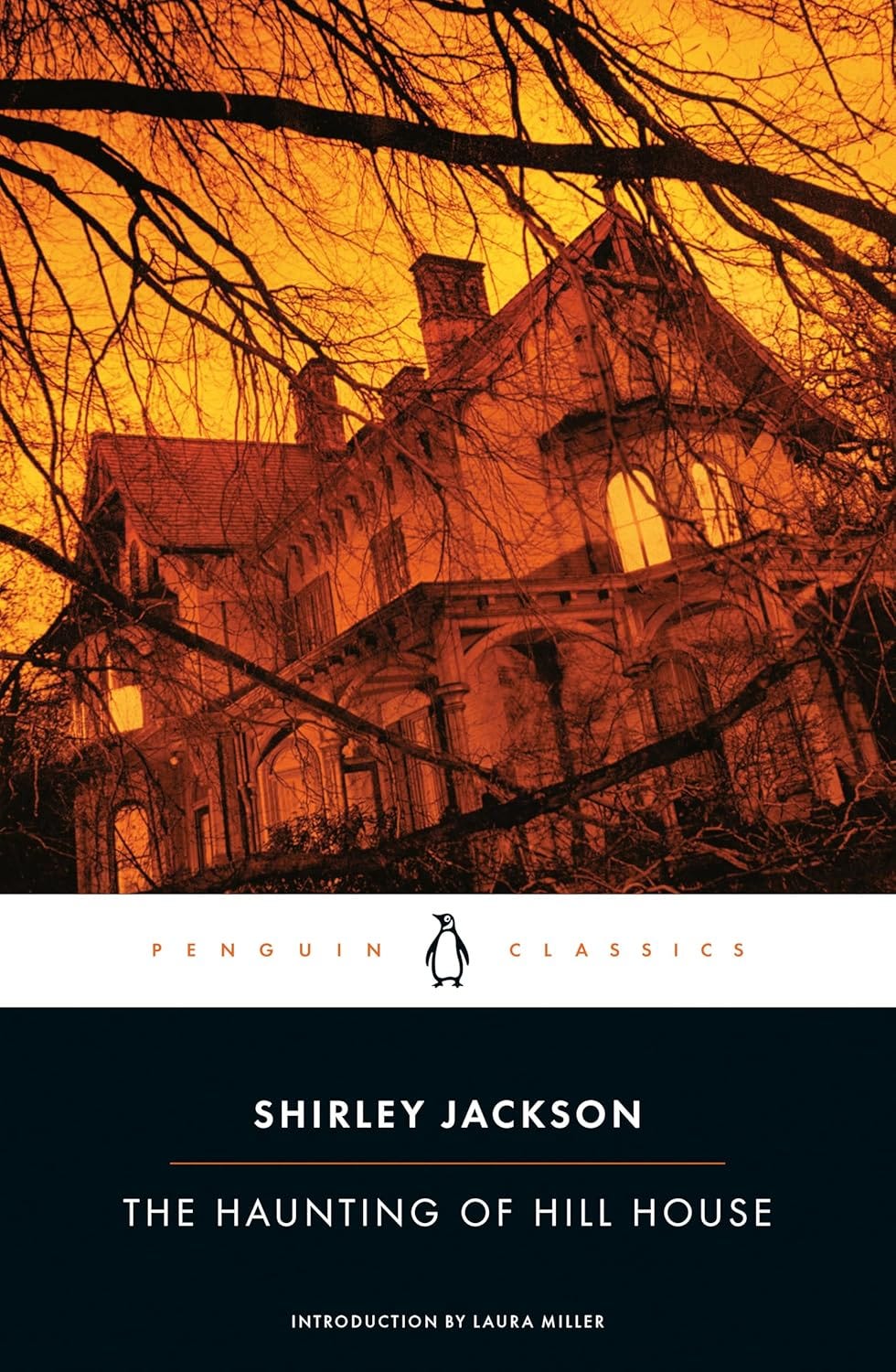
But isn’t that what makes great horror truly terrifying? Isn’t that why Jaws is all the scarier when we don’t see the shark? The power of suggestion allows the audience (in this case the reader) to imagine the possibilities and inevitably fear the worst.
The story — if you didn’t already know — concerns four strangers who answer the call to stay in the eponymous house as part of an investigation into the paranormal. The central character, Eleanor, is invited because she may have had prior such experience with an alleged poltergeist as a child.
And then there’s the Dudleys: the husband-and-wife caretakers of the property who refuse to stay onsite a second after the sun goes down.
They’re creepy.
The house is creepy.
The slow burn storytelling lends itself to setting the scene, dropping ambiguous hints of what might come, and endearing the readers to the Eleanor’s state of mind.
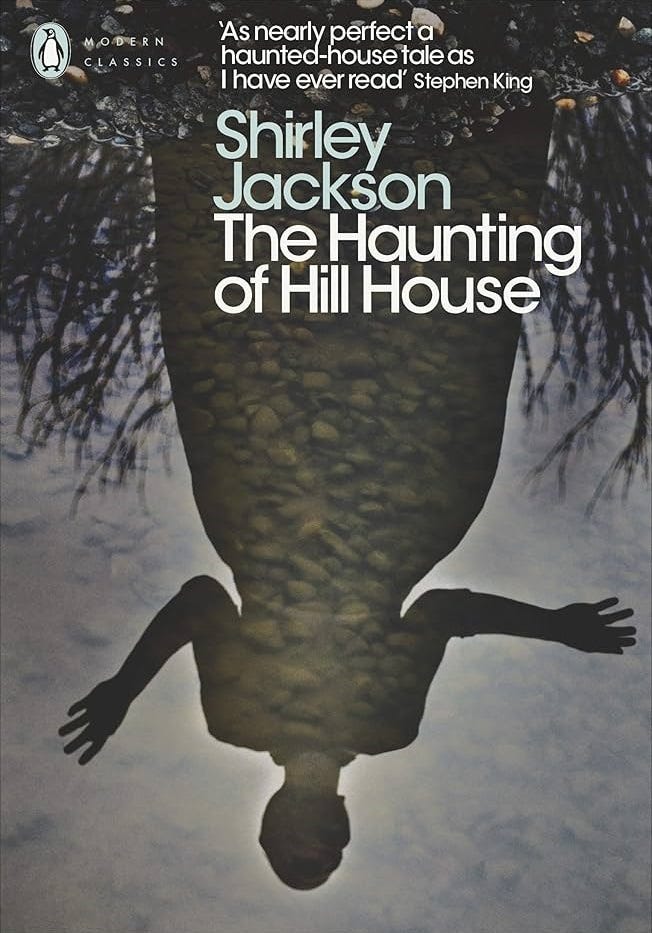
Because with The Haunting of Hill House the emphasis is on the psychological aspect of horror.
Eleanor is not entirely well in the head, you see. She is characterized as shy, but she also has a lot of baggage. She resents wasting her youth caring for her ailing mother and feels like she’s controlled by her married sister. Her coming to Hill House itself was an act of rebellion, stealing her brother-in-law’s car in order to do so.
It’s arguably creepier to say, rather than simply that Hill House is haunted, that there’s something about it that drew Eleanor there. That there’s a connection between her and this house that’s she only just set foot in.
At night, Eleanor is terrorized by banging on her bedroom wall… But is this related to her own guilt (or possibly intentional matricide) for her mother’s death? After all, her mother would knock on the wall when she needed medicine...
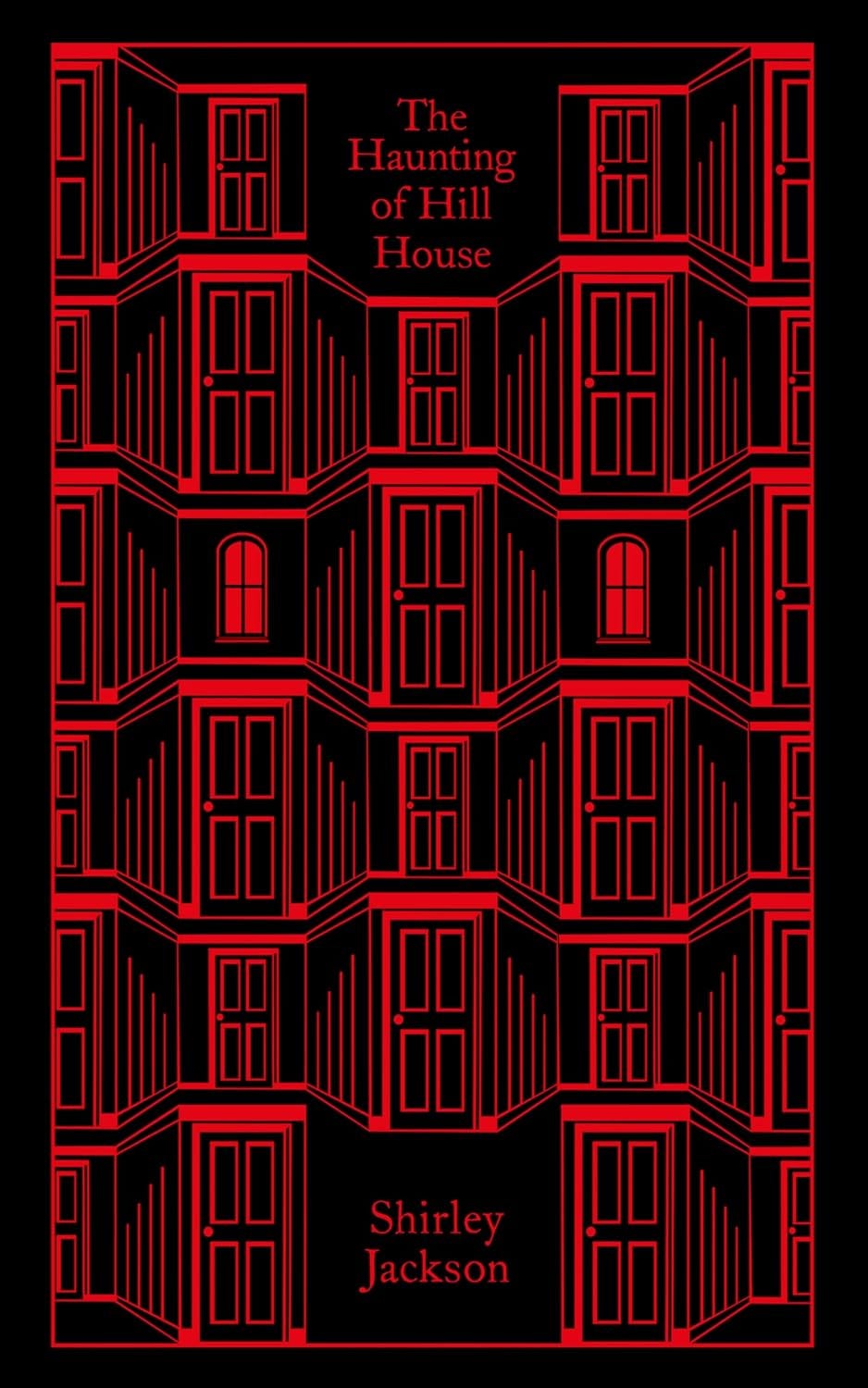
Indeed, the hauntings of the house seem to affect Eleanor the worst. But might there be an argument that maybe it was actually her that caused it all? Just as she (perhaps) caused the alleged poltergeist activity from her childhood?
Is the idea that you might be the cause of all those bumps in the night scarier than if their source was something else? If you yourself are the cause of the horror, does that make you horrific?
You see, there’s a reason why The Haunting of Hill House is a keystone of horror literature.
As an Amazon Associate I earn from qualifying purchases. You can support Horror Harwood by buying The Haunting of Hill House on Amazon here. Thank you :)