
The Blair Witch Project (Daniel Myrick & Eduardo Sánchez, 1999)
The original fake true story phenomenon has still got it

The Blair Witch Project burst into the public consciousness with such a well-conceived marketing angle and at just the perfect moment that it was inevitable that the film would strike box office gold.
The pitch was that this particular found footage horror movie was actually constructed from honest-to-goodness found footage filmed by a group of bona fide student filmmakers who had really, pinky-swear, gone into the woods to film a documentary about the mythical witch who haunted them… and were never seen again.
The timing was on the eve of the new millennium when the zeitgeist was saturated with doomsday prophecies, from Christianity’s incessant Revelations predictions to Y2K panic, and The Blair Witch Project fit right in.
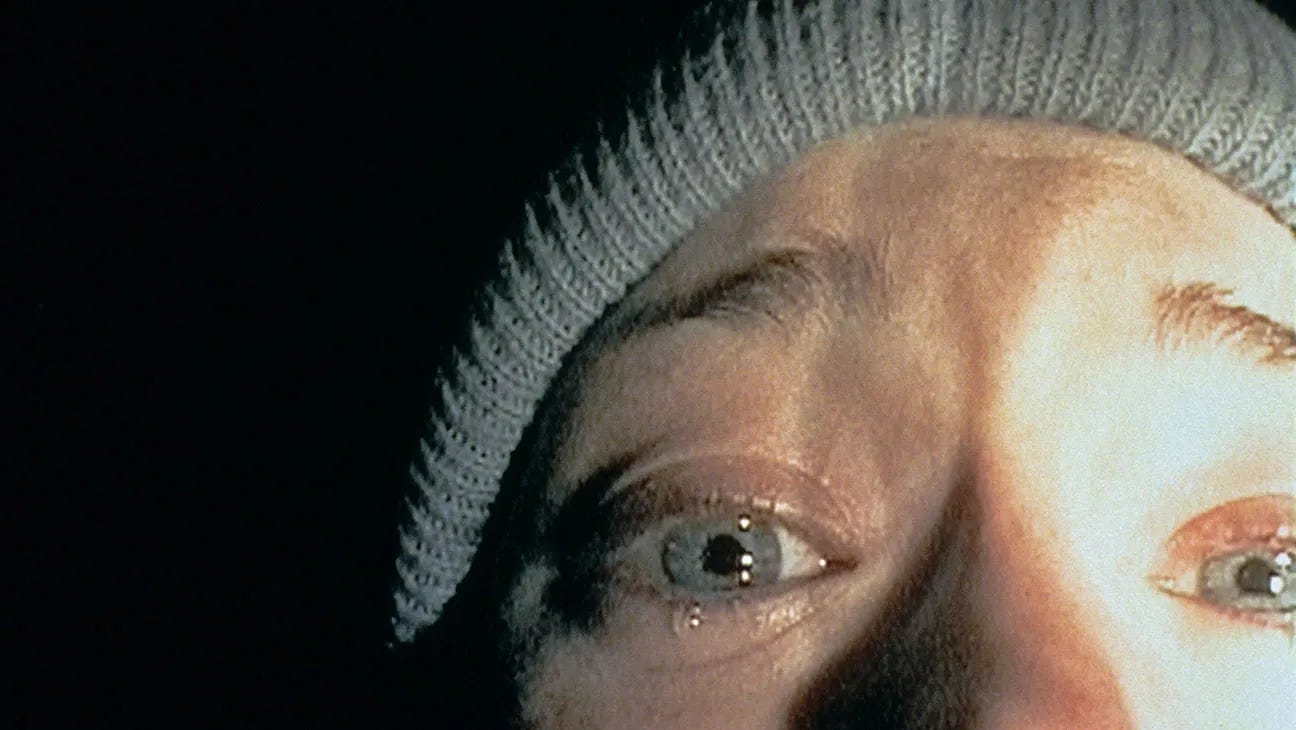
It was also, critically, the rise of the internet when film nerds across the globe shared trailers and reviews without borders.
The hype machine was primed and ready, and The Blair Witch Project was teed up to take full advantage.
I was still living in the UK at the time, and although the film didn’t release there until three whole months after it took the US by storm, everyone and their mother was already fully aware of the movie and its rucksack full of controversies — the false narrative that the whole things was actually genuinely real, the stories of moviegoers throwing up in screenings (albeit from motion sickness caused by shaky camera work rather than outright terror, but still, the marketing folks dialed it up so that everyone knew this wasn’t a film for the faint of heart or stomach).
Some friends and I even parodied the movie as part of a school assignment weeks before we or anyone else in the country had even seen it, and still everyone got it — our teacher included.
That’s how prolific this film was.
The film itself is genuinely great (it still had to be to achieve the success it did) even though it’s essentially just three (spoiler: soon just two) characters — Heather, Mike, and Josh — filming themselves stumbling through the woods growing increasingly lost and evermore scared.
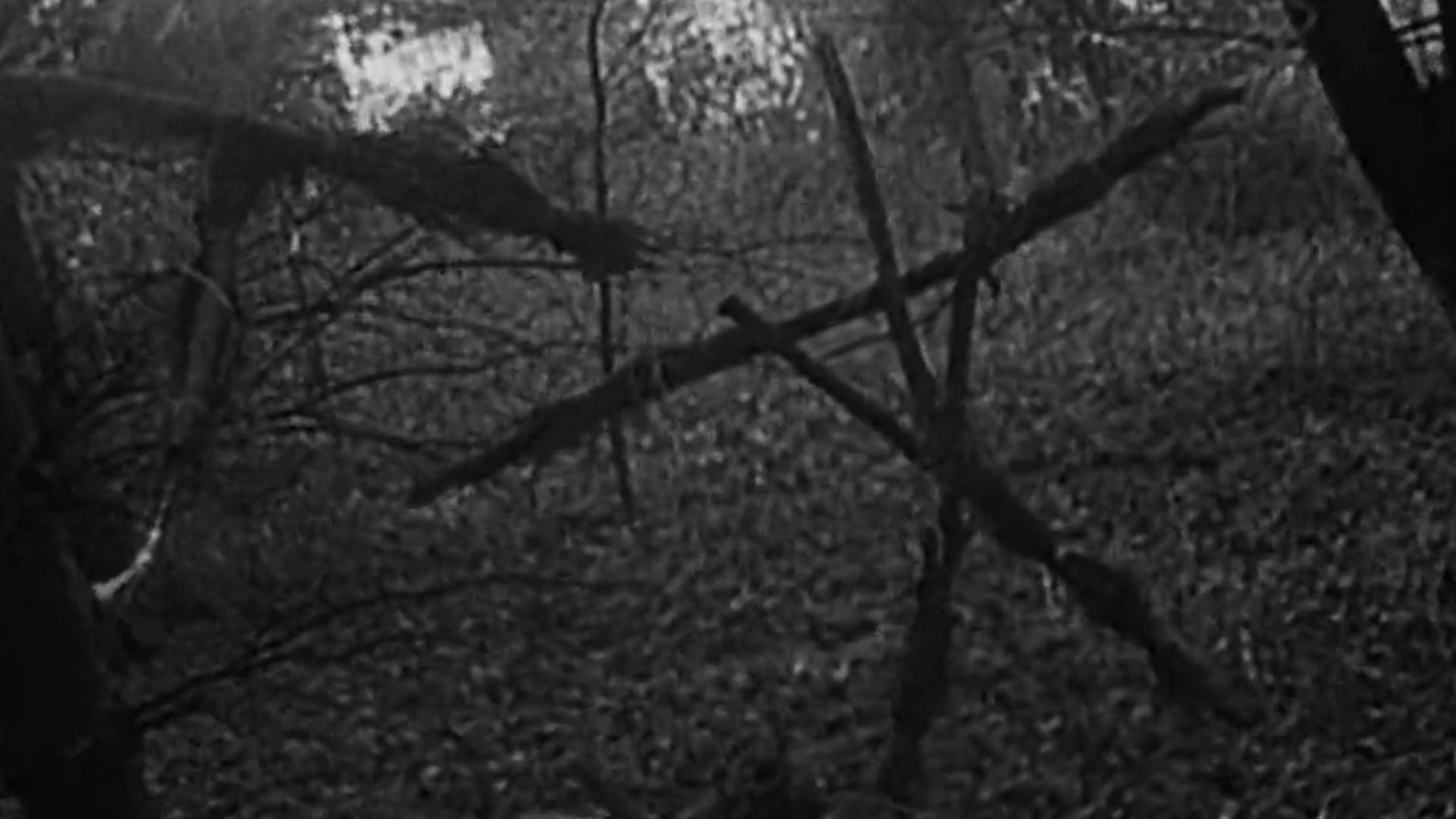
The self-shot dynamic allows for some great moments — the chaos that ensues after hearing disembodied children’s voices in the dead of night, Heather’s iconic dripping-snot direct-to-camera monologue — and discoveries such as the wooden figures hanging from the trees are genuinely scary.
It’s all unrelenting mood that increases the terror, because we know it’s leading somewhere bad.
But we have to keep watching to find out what happens even though, as the honest-this-is-so-real marketing of the movie implies, no-one really knows.
By the time the film abruptly ends, the filmmakers have got you eating out of the palm of their hands.
The film is a ride and, given the form of the picture, you’ve ridden right along with those poor dumb saps who wound up witch fodder.
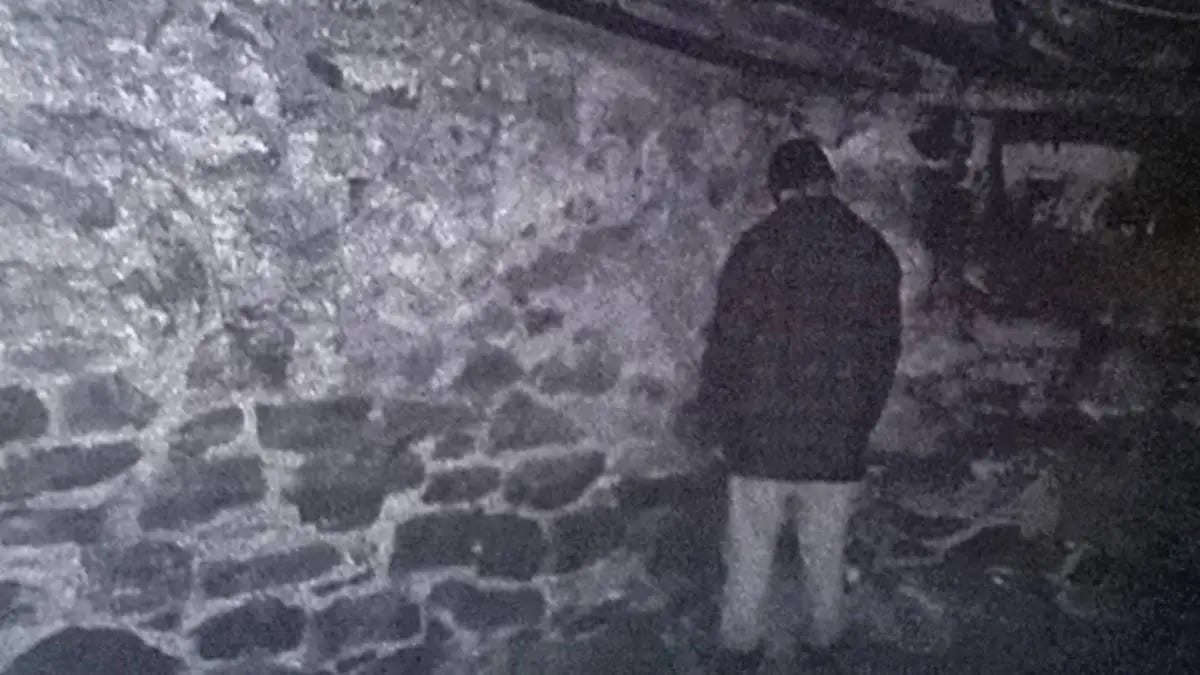
You’ve also seen something disturbing — just a split second there at the very end, but enough — that you shouldn’t have. And depending on how much you bought into the marketing spin, the more unnerved you’re going to be.
The genius viral marketing created to support the release (before there was even a name for it) included fake missing person reports, local news articles, and even IMDB listings for the three "actors" noting them as missing or dead.
All of this helped sell the film (both figuratively and literally), fueled uninformed speculation from an army of proto-internet detectives, and made the whole thing more horrific than it might otherwise have been.
It’s a strategy that has been often imitated but never duplicated in the 25-years since, which really does make you nostalgic for the good old days of the internet 1.0, before Facebook came along and ruined everything.
As an Amazon Associate I earn from qualifying purchases. You can support Horror Harwood by buying The Blair Witch Project on Amazon here. Thank you :)